Visiting Kinderdijk Windmills I Your complete guide
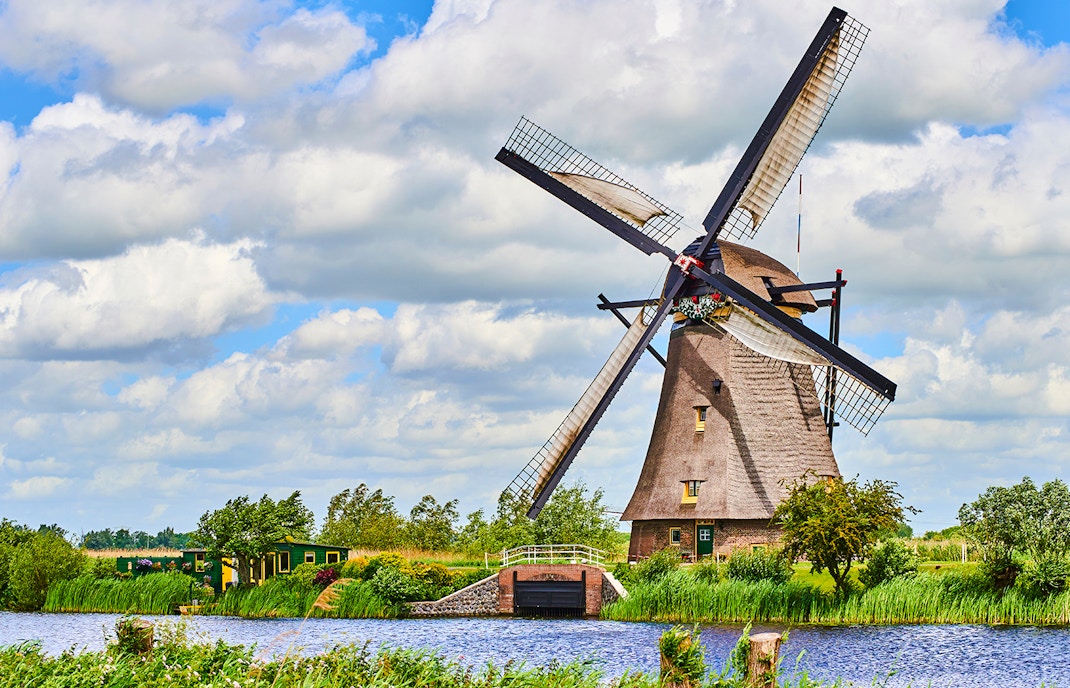
Kinderdijk is a UNESCO-listed windmill complex best known for its 19 historic mills, canal views, and living story of Dutch water management. It looks peaceful, but it’s a larger, more spread-out visit than many travelers expect, with walking paths, museum windmills, boats, and pumping stations spread across the site. The biggest difference between a rushed visit and a good one is timing your route around the boat and mill-entry flow. This guide covers when to go, how long to allow, and how to plan your route well.
Quick overview: Kinderdijk Windmills at a glance
If you want the postcard view and the full story behind it, plan this like a half-day visit, not a quick photo stop.
- When to visit: Daily, with most visitor routes running around 10am–5pm. The first 60–90 minutes after opening are noticeably calmer than 11am–2pm, when day-trippers, group tours, and boat demand overlap.
- Getting in: From €18 for standard entry. Guided tour from €26.50. Booking ahead matters on weekends, school holidays, and April–September, because walk-up sales can pause when the site gets busy.
- How long to allow: 3–4 hours for most visitors. It stretches closer to 5 hours if you want both museum windmills, the boat, De Fabriek, and time for photos without rushing.
- What most people miss: De Fabriek and the Wisboom pumping station add the engineering story that makes the windmills make sense, and the opposite-bank viewpoints are quieter than the main approach.
- Is a guide worth it? Yes, if you want the water-management story explained clearly; if you’re mostly here for scenery and a relaxed pace, the self-guided route plus boat narration is enough.
🎟️ Tickets for Kinderdijk Windmills often sell out a few days in advance during spring weekends and summer afternoons. Lock in your visit before the time you want is gone. See ticket options!
Jump to what you need
🕒 Where and when to go
🗓️ How much time do you need?
🎟️ Which ticket is right for you?
🗺️ Getting around
🌾 What to see
♿ Facilities and accessibility
Where and when to go
How do you get to Kinderdijk Windmills?
Kinderdijk sits east of Rotterdam in the Alblasserwaard polder, and the easiest arrival depends on whether you want the scenic route or the fastest one.
Address: Nederwaard 1B, 2961 AS Kinderdijk, Netherlands
→ Open in Google Maps
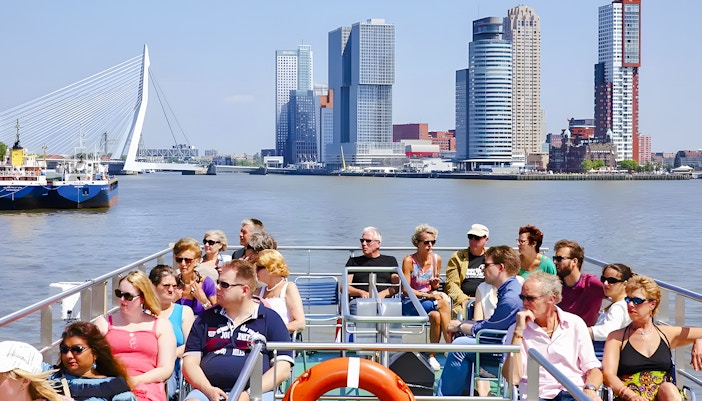
- Waterbus: Line 21 from Rotterdam Erasmusbrug → 30–35 min → the most scenic arrival, with a short walk from the dock to the visitor area.
- Waterbus: Line 20 from Dordrecht → about 20 min → the simplest option if you’re combining Kinderdijk with Dordrecht.
- Bus: Rotterdam to Alblasserdam/Kinderdijk route → 45–60 min → useful if Waterbus times don’t line up with your day.
- Car: About 20–30 min from Rotterdam → summer weekends can shift drivers toward the Alblasserdam transferium and shuttle flow.
Getting here from nearby cities
Kinderdijk works especially well as a day trip from Rotterdam and Amsterdam, but the balance between travel time and time on site changes a lot by base.
From Rotterdam
- Distance: About 20km
- Travel time: 30–35 min via Waterbus Line 21
- Time to budget: This is the easiest same-day pairing and still leaves you a comfortable 3–4 hours on site
From Amsterdam
- Distance: About 95km
- Travel time: 90–120 min via train to Rotterdam, then Waterbus or bus
- Time to budget: You’ll want most of the day free, because a rushed round trip cuts too much from the site itself
Which entrance should you use?
Kinderdijk is straightforward once you’re on site: most visitors enter through the main visitor area near the ticketing and information point. What catches people out is not the entrance itself, but arriving without enough time to line up boat departures and museum-windmill openings.
- Main entrance: Located by the visitor center at Nederwaard. Expect 5–10 min at quieter times and longer waits around 11am–2pm on busy spring and summer days.
When is Kinderdijk Windmills open?
- Monday–Sunday: Visitor routes typically operate around 10am–5pm
- Museum windmills and boats: Run on the day’s operating schedule and can finish earlier than the outdoor paths
- Seasonal variation: Spring and summer usually carry the fullest schedule; winter visits are quieter, but some experiences run on reduced hours
- Last entry: Earlier starts work far better here than late arrivals if you want both museum mills, the boat, and De Fabriek without rushing
- When is it busiest: Weekends, holiday periods, and late mornings from April through September are the busiest, especially when group tours and cruise-linked visitors hit the boat and mill queues at the same time.
- When should you actually go: Go right after opening or after about 3pm if you want cleaner photo lines, shorter waits for the museum windmills, and a better chance of catching the boat without standing around.
How much time do you need?
| Visit type | Route | Duration | Walking distance | What you get |
|---|---|---|---|---|
Highlights only | Visitor Center → main canal path → 1 museum windmill → photo stops → exit | 2–2.5 hours | 2km | You get the classic windmill views and 1 interior, but you’ll likely skip De Fabriek, the full boat rhythm, and the deeper engineering context |
Balanced visit | Visitor Center → De Fabriek → boat loop → 2 museum windmills → Wisboom pumping station → exit | 3–4 hours | 3.5km | This is the best fit for most visitors because it covers the scenery, both open windmills, and the story behind the site without turning the day into a slog |
Full exploration | Visitor Center → both canal sides → De Fabriek → boat loop → 2 museum windmills → Wisboom → longer walking or cycling detours → exit | 5+ hours | 5–7km | You get the full UNESCO landscape rather than just the headline view, but it’s a long outdoor visit and the extra value comes from patience, not speed |
How do you get around Kinderdijk Windmills?
Kinderdijk is best explored on foot, and most visitors can cover the core route in 3–4 hours, though the full landscape takes longer if you follow both canal sides and wait for boat connections. The main windmill line sits along the central waterway, with the visitor area and interpretation spaces anchoring your route.
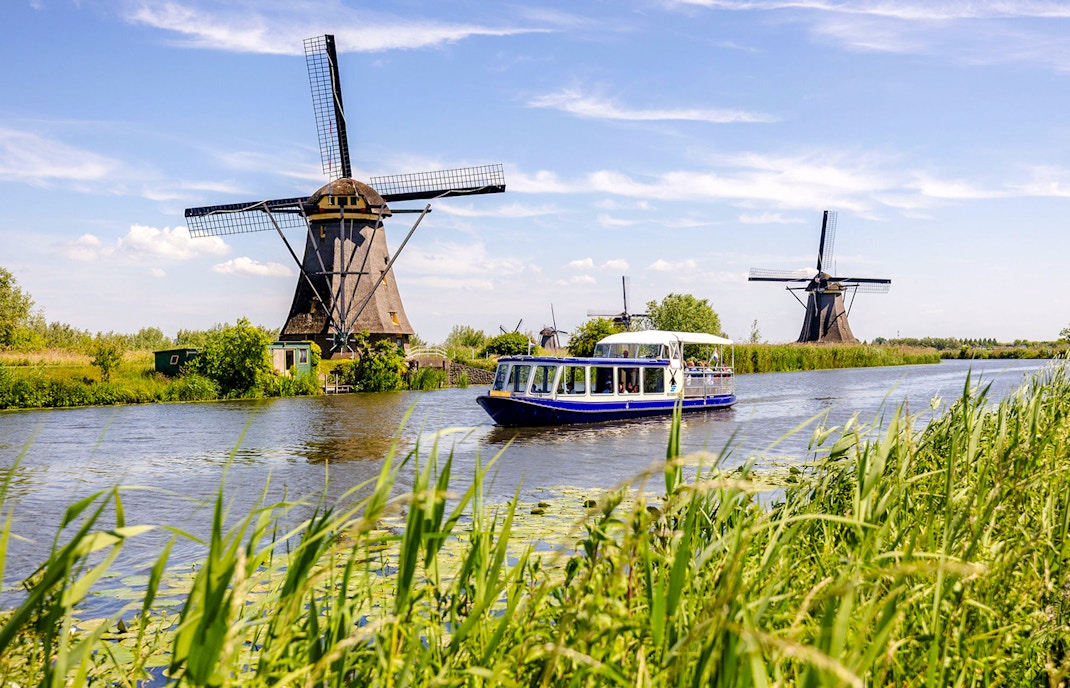
- Main canal path: Classic windmill lineup and the most photographed stretch → allow 30–45 min if you want time to stop properly.
- Museum windmills: Historic mill interiors and miller’s living quarters → allow 15–20 min per windmill.
- De Fabriek: Intro film and exhibition that explains the whole water-management system → allow about 20 min.
- Wisboom pumping station: Later-era machinery and engineering context → allow about 10 min.
Suggested route: Start with De Fabriek or your first museum windmill, then take the boat once the late-morning crush builds; most visitors do the reverse, which is exactly why they end up waiting.
Maps and navigation tools
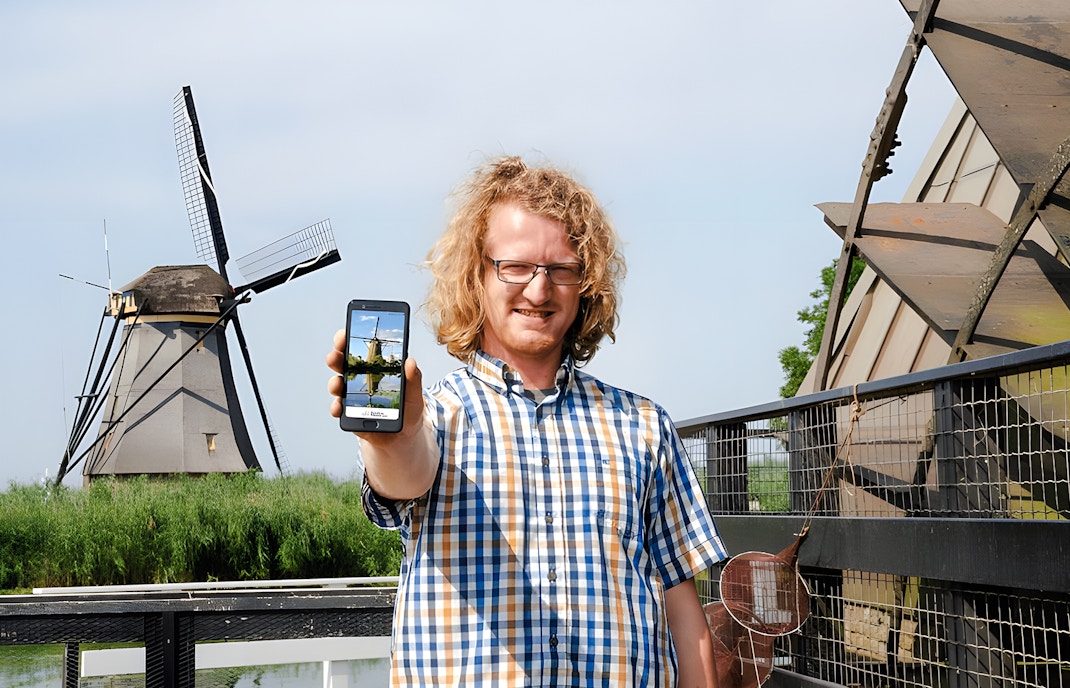
- Map: Downloadable or on-site visitor map → covers walking routes, windmills, exhibits, and boat stops → pick it up at the Visitor Center before you set out.
- Signage: Good enough for the main route, but a map helps if you want both museum windmills and the pumping stations without backtracking.
- Audio guide / app: Self-guided interpretation is the best add-on if you’re not taking a live tour, because the outdoor scenery alone doesn’t explain the site’s engineering logic.
- Large outdoor POI: Offline maps are helpful if you’re walking beyond the core visitor loop or adding cycling detours into the wider polder.
💡 Pro tip: Don’t board the first available boat just because it’s there — check whether a museum windmill nearby is quiet first, because missing a boat usually costs less time than joining the longest mill queue of the day.
Get the Kinderdijk Windmills map / audio guide
What is Kinderdijk worth visiting for?
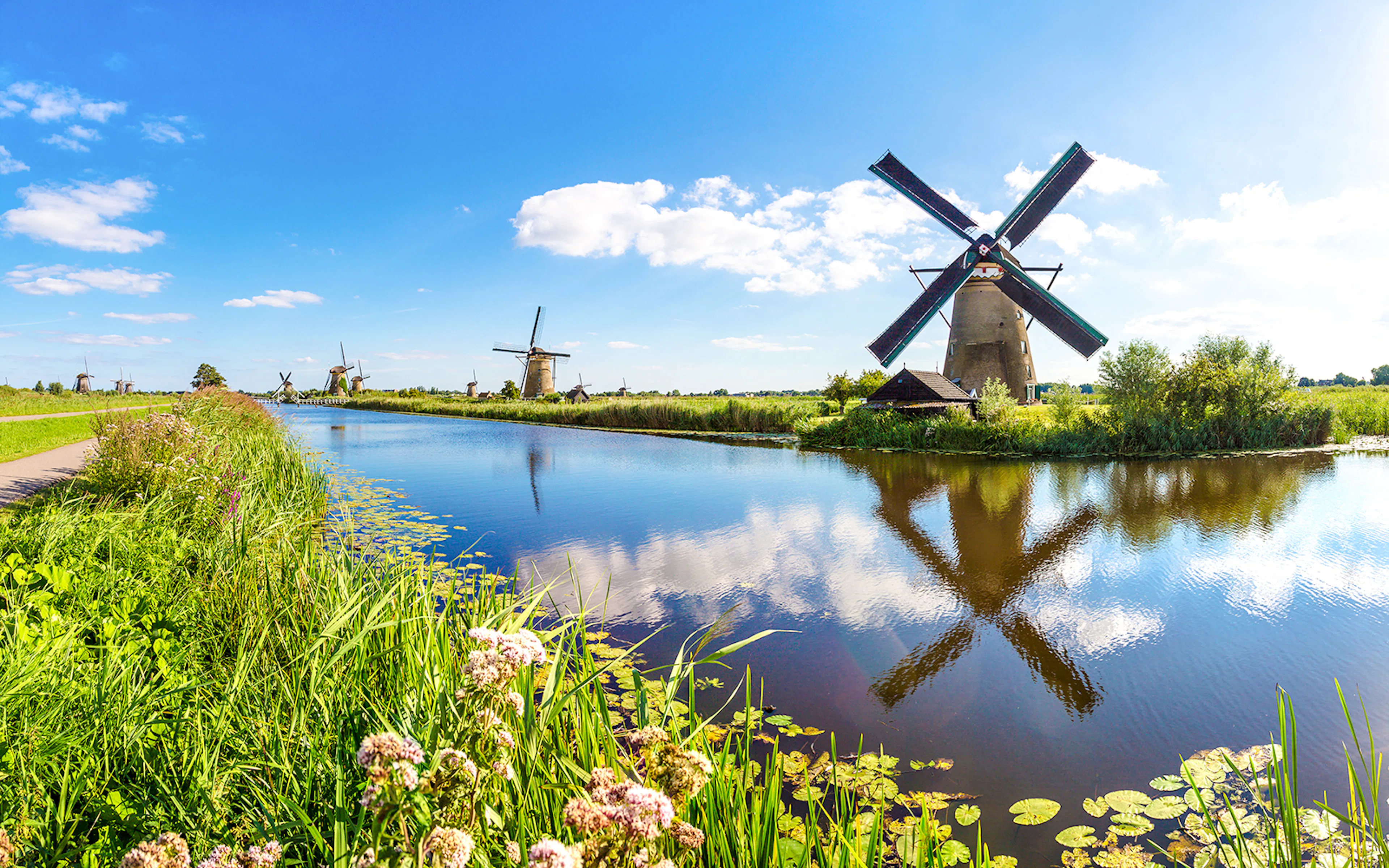
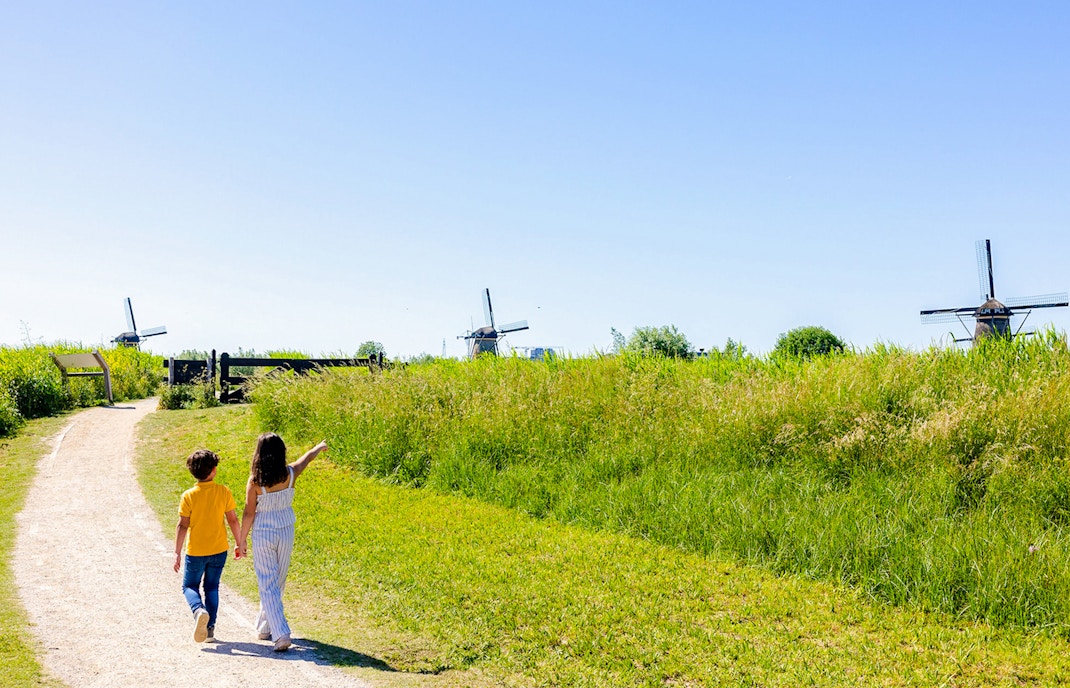
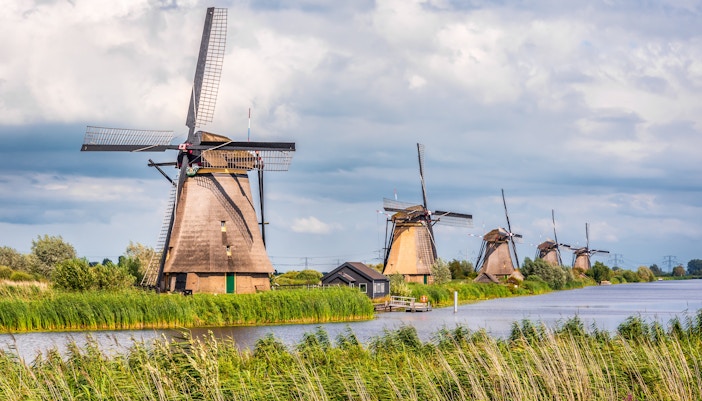
Historic windmill panorama
Era: 18th century
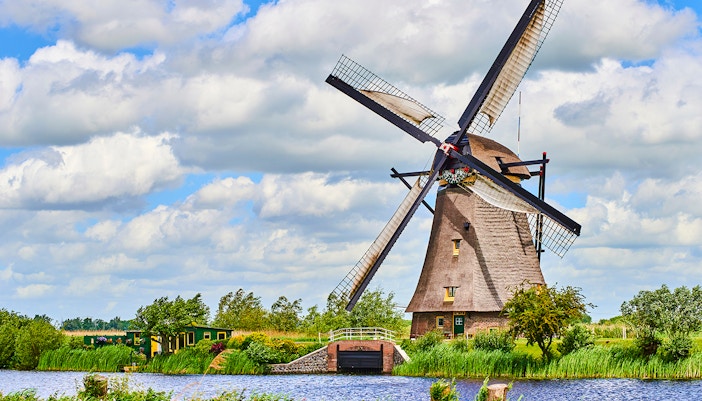
This is the view most people came for: a long row of working windmills set along calm canals and dikes, with almost no modern skyline in the frame. It’s worth slowing down here because the landscape only really clicks when you notice how the mills, water channels, and embankments work together. Most visitors shoot the first postcard view and move on too quickly, missing the quieter angles farther down the path.
Where to find it: Along the main canal walkway after entering from the visitor area and heading into the core windmill zone
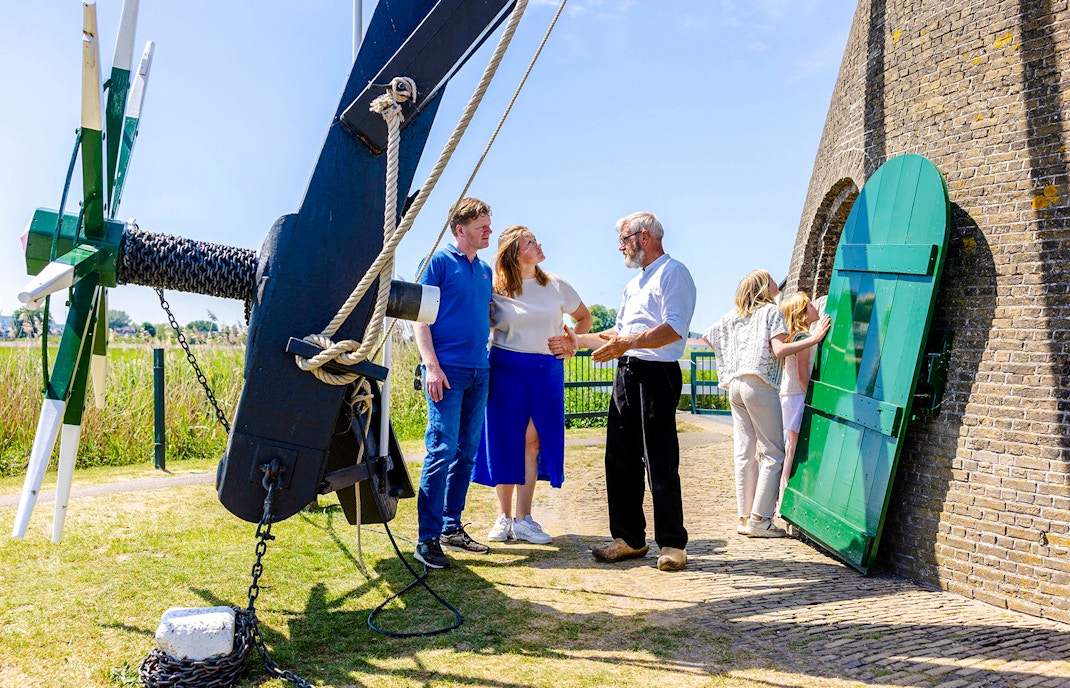
Museum Windmill Nederwaard
Type: Working museum windmill
This is one of the best places to understand how a miller’s family actually lived, not just how the machinery worked. The rooms feel compact and practical, and that contrast between home life and heavy water-management labor is what makes the visit memorable. Most people focus on the upper mechanics and rush past the domestic spaces, which are the part that makes the story human.
Where to find it: On the main visitor route, signed from the canal path and accessible as one of the 2 open museum mills
Museum Windmill Blokweer
Type: Working museum windmill
Blokweer gives you a second interior that keeps the visit from feeling repetitive, because it adds a different angle on rural life and mill operation. If you only enter 1 mill, you’ll still get the idea, but seeing both helps you understand that these weren’t decorative landmarks — they were part of a whole working system. Many visitors skip the second mill once queues build, and that’s where the visit loses depth.
Where to find it: Reached via the boat route and signed visitor path on the opposite side of the main flow
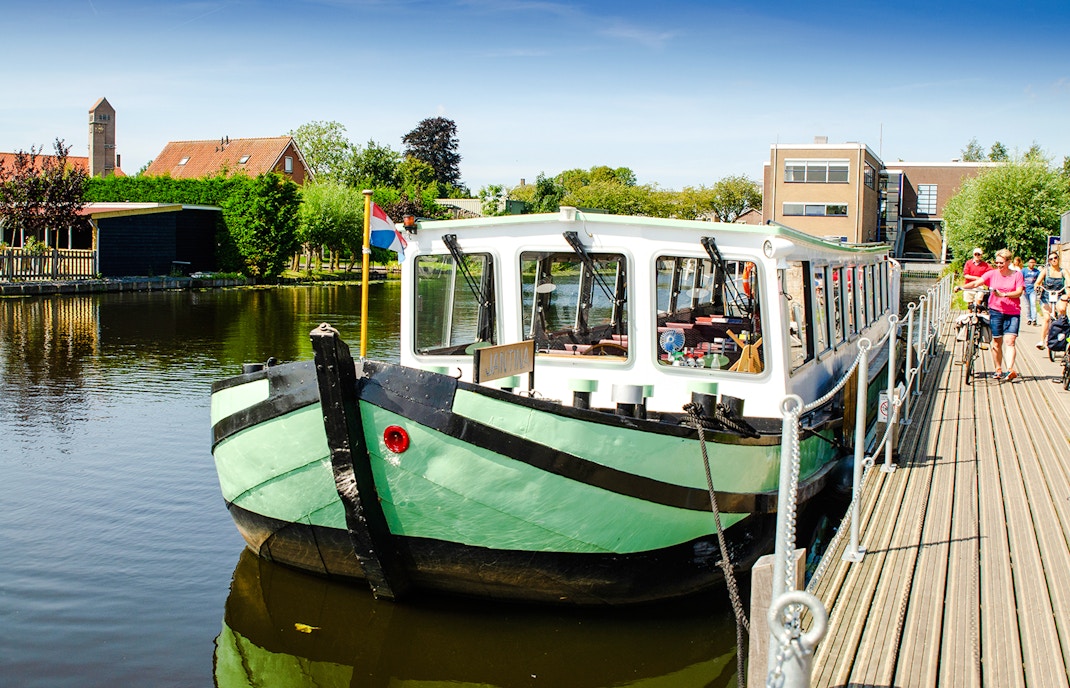
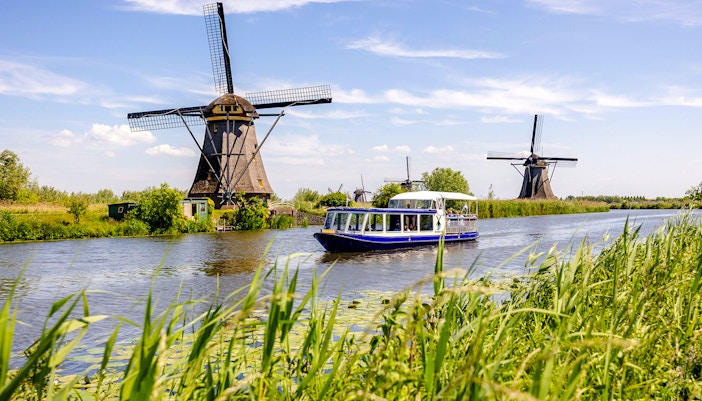
Hopper boat tour
Ride type: Canal transport and sightseeing boat
The boat is more than a nice extra — it’s the easiest way to understand Kinderdijk as a water landscape rather than just a string of photogenic buildings. From the water, the spacing of the mills and drainage network suddenly makes sense. Most visitors treat it as a transfer and spend the ride looking at their phones, but it’s actually one of the best moments to read the site as a whole.
Where to find it: At the marked boat stops along the central canal, connected to the main visitor route
De Fabriek film and exhibition
Type: Interpretation center
If you skip De Fabriek, you’ll still enjoy Kinderdijk, but you’ll leave without the clearest explanation of why the windmills mattered. The film and exhibits give the site its logic, especially if you’re not on a guided tour. Many people postpone it until the end and then run out of time, even though it works best near the start of the visit.
Where to find it: Near the visitor facilities at the start of the route, before or just after your first windmill stretch
Wisboom pumping station
Era: 20th-century pumping technology
Wisboom is the bridge between the windmill era and later mechanical pumping, which makes it one of the most useful stops for understanding change over time. It’s smaller and less immediately photogenic than the mills, so it gets overlooked, but it gives the whole site more depth. Visitors who skip it usually leave thinking only in postcard terms, not engineering ones.
Where to find it: On the broader visitor route beyond the main windmill-photo stretch, near the heritage interpretation stops
Facilities and accessibility
- 🎫 Visitor Center: This is your practical base for tickets, orientation, visitor maps, and timing your first move before the crowds spread out.
- 🚻 Restrooms: Free restrooms are available at the visitor facilities, so it’s smart to use them before committing to the longer outdoor loop.
- 🍽️ Café: There’s an on-site café near the visitor area, and it’s most useful as a mid-visit convenience stop rather than a destination meal.
- 🛍️ Gift shop: The gift shop sits by the visitor center and is the easiest place to pick up windmill-themed souvenirs without adding a detour later.
- 🪑 Seating: The best rest points are clustered near the visitor facilities rather than spread evenly across the outdoor route.
- ♿ Lift: A lift is available in the visitor area, which helps with access to the main service spaces.
- 🚲 Bike access: Bikes are allowed on the paths, which is useful if you want to stretch the visit into the wider polder beyond the core route.
- 👶 Strollers: Strollers work well on the outdoor paths, but you’ll need to leave them outside when entering the historic windmills.
- 🏞️ Rooftop deck: The rooftop viewing deck by the visitor center gives you an easy elevated overview before you commit to the longer route.
- ♿ Mobility: Outdoor paths are much easier than the interiors, because the site itself is relatively flat but the historic windmills have steep stairs and tight passageways, so accessibility is partial rather than full.
- 👁️ Visual impairments: The visit works best with audio-based interpretation and boat narration, because the value here comes from context and landscape reading more than labels alone.
- 🧠 Cognitive and sensory needs: The open-air setting is calmer than an indoor museum, but boat stops and museum-windmill entries can feel crowded and compressed around late-morning group arrivals.
- 👨👩👧 Families and strollers: The main outdoor route is stroller-friendly, but the mill interiors are not, so families usually park the stroller outside and take turns inside.
- 🌿 Terrain: Most of the visit is on straightforward paths through the polder rather than rough countryside, which helps if you want the scenery without a strenuous hike.
Kinderdijk works well for children because it mixes open-air space, boat travel, and windmill interiors that feel more like an adventure than a traditional museum.
- 🕐 Time: 2.5–3.5 hours is realistic with young children, and the best combination is the boat, 1 museum windmill, and either De Fabriek or the pumping station.
- 🏠 Facilities: The visitor area is the easiest place to handle restrooms, snacks, and regrouping before or after the longer outdoor section.
- 💡 Engagement: Let kids count windmills from the boat first, then compare that big-picture view with what they see inside a real mill.
- 🎒 Logistics: Bring layers and snacks, and aim for the first part of the morning so children aren’t stuck in the busiest boat and windmill queues.
- 📍 After your visit: If you’re heading back toward Rotterdam, the Waterbus ride itself is often the easiest child-friendly follow-up because it extends the day without another long walk.
Rules and restrictions
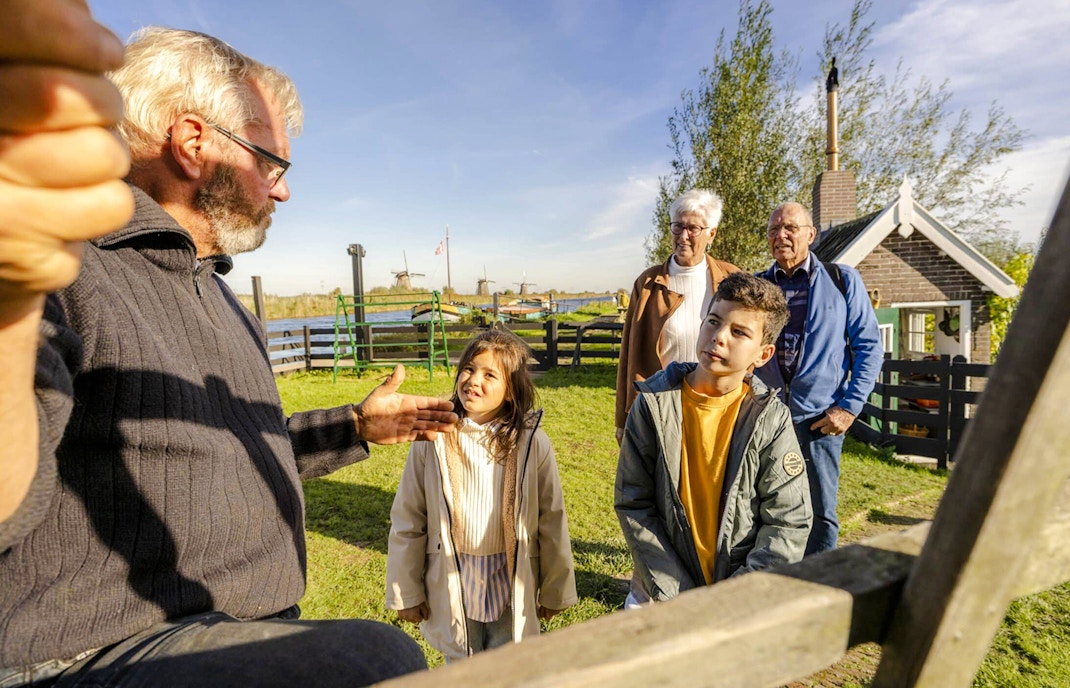
What you need to know before you go
- Entry requirement: Book online for the smoothest visit, especially on weekends and in peak season, because walk-up sales can pause when the site reaches capacity.
- Ticket format: Keep your digital or printed ticket ready at the start of the visit so you don’t lose time at the first scan point.
- Bag policy: Small bags are easiest here, because historic windmill interiors are narrow and steep rather than designed for large backpacks.
- Timing: This is an outdoor site with timed moving parts, so missing a boat departure can easily add about 30 minutes to your route.
- Clothing note: Wear weather-ready layers and shoes with grip, because most of the visit is outside even if the walking itself is not difficult.
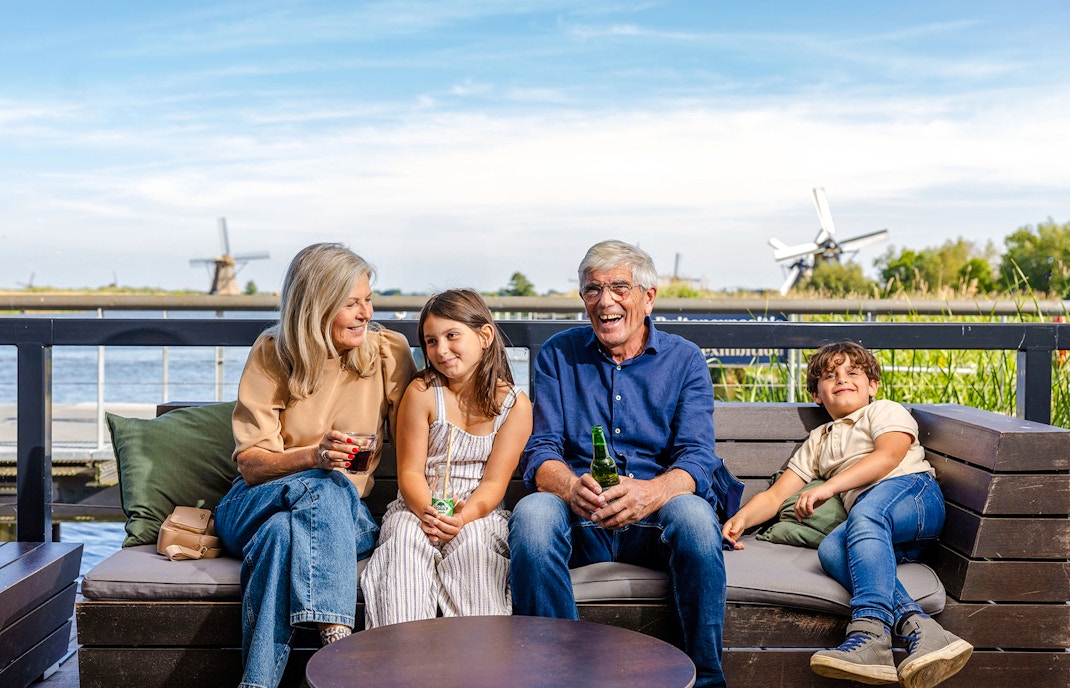
Not allowed
- 🚫 Food and drink: Save eating for the visitor-area café or outdoor breaks rather than carrying snacks into the historic interiors.
- 🚬 Smoking and vaping: Keep well away from queues, museum windmills, and enclosed visitor areas.
- 🐾 Pets: Check the day’s policy before arrival if you’re traveling with an animal, and don’t assume access to the museum windmills or boats.
- 🖐️ Climbing and handling: Stay on marked visitor routes inside the mills, because these are working heritage spaces, not open-play interiors.
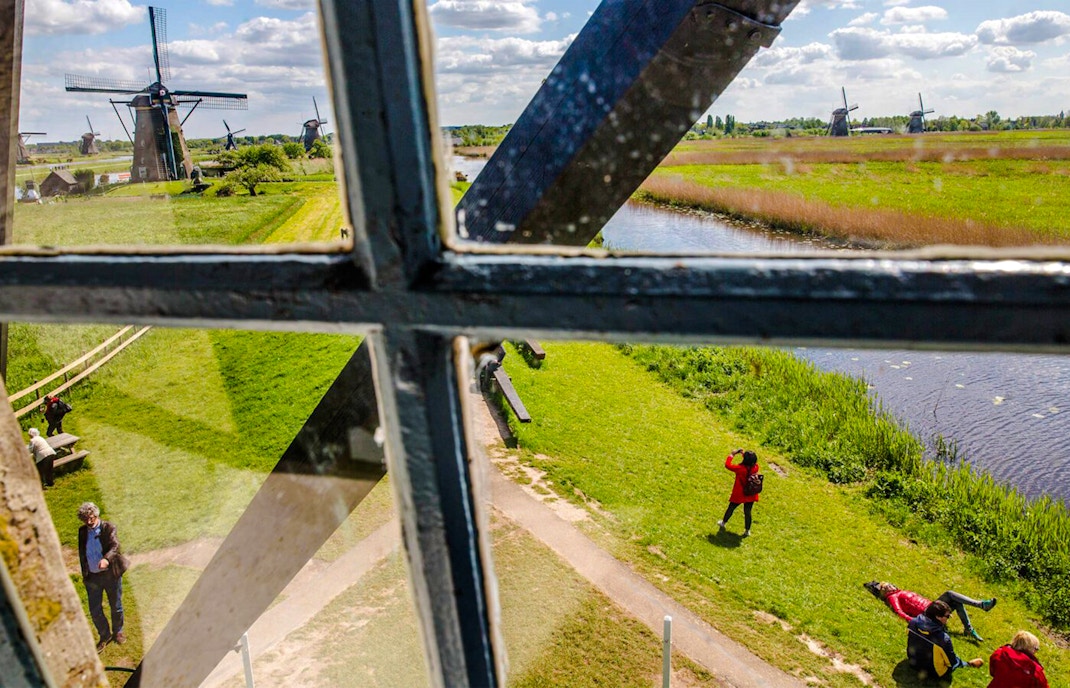
Photography
- Photography is one of the main reasons people come, and outdoor shooting along the canal paths is part of the experience.
- The important distinction is practical rather than dramatic: the open landscape is easy to photograph, while the museum windmills are tight, steep, and often crowded, so large tripods and slow photo setups quickly become awkward.
- If you want quieter shots, focus on early arrival and the less crowded opposite-bank viewpoints rather than trying to out-wait the main path.
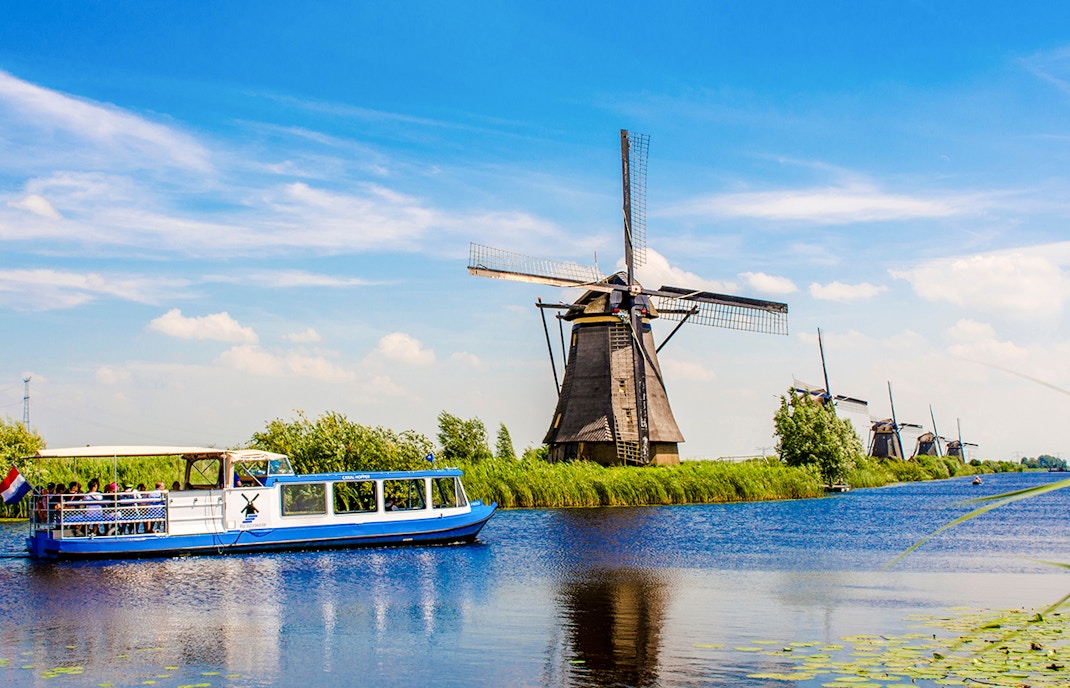
Good to know
- Boat timing: The boats are part of the experience, but they don’t run constantly, so route mistakes cost time faster than extra walking does.
- Crowd flow: The longest waits are often at the museum windmills, not the entrance, because most visitors tackle the site in the exact same order.
Practical tips
- Booking and arrival: Book at least 3–7 days ahead for spring weekends and summer afternoons, because the site can pause walk-up sales on busy days and late bookers lose the best arrival window.
- Pacing: Do De Fabriek near the start, not the end, because once you’ve seen the engineering story, the windmills stop feeling like a pretty backdrop and start making sense.
- Crowd management: The sweet spot here is right after opening or after about 3pm, because the late-morning squeeze hits the boat stops and museum windmills harder than the outdoor paths.
- Boat strategy: If the next boat has a long line, visit a nearby museum windmill first; missing 1 sailing usually costs less time than joining the peak queue at the wrong stop.
- What to bring: Bring a light waterproof layer even on clear days, because the exposed canals can feel windier than Rotterdam and the visit is mostly outdoors.
- What to leave behind: Skip bulky backpacks if you can, because the mill interiors are steep, narrow, and much easier to manage with your hands free.
- Food and drink: The on-site café works well for coffee or a quick reset, but if you want a proper meal, save it for after the route so you’re not breaking up the best low-crowd part of the day.
- Photos: Don’t stop at the first postcard angle and assume you’re done — some of the cleaner windmill compositions come farther along the path once the casual photo crowd drops away.
What else is worth visiting nearby?
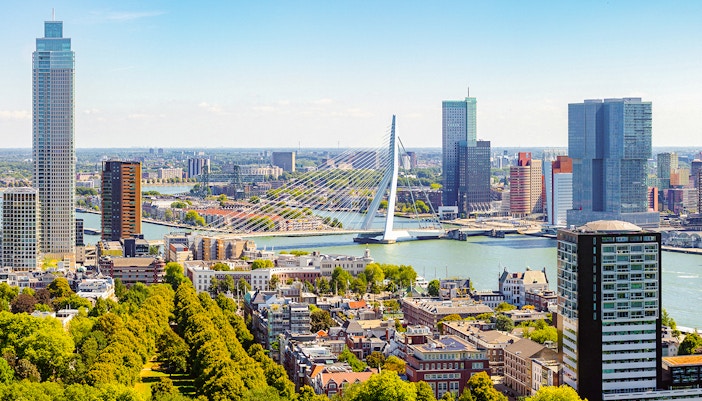
Commonly Paired: Rotterdam city center
Distance: About 20km — 30–35 min by Waterbus or about 30 min by car
Why people combine them: The contrast is the whole point: Kinderdijk gives you historic Dutch water engineering, while Rotterdam gives you the country’s most modern skyline and architecture.
Book / Learn more
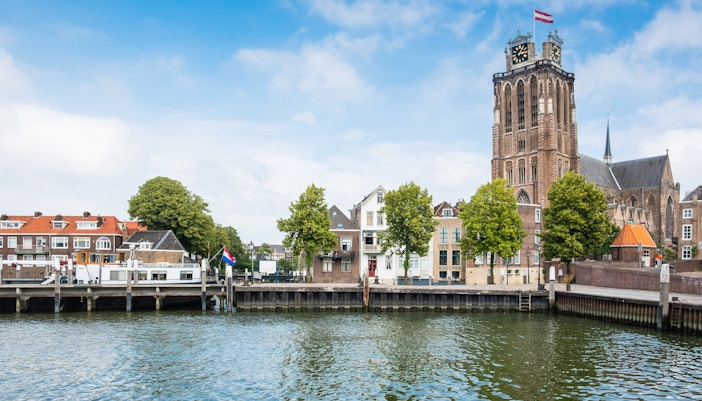
Commonly Paired: Dordrecht
Distance: About 15km — about 20 min by Waterbus
Why people combine them: It’s an easy same-day pairing on the same water transport network, and Dordrecht adds a compact historic center without turning the day into a long transfer puzzle.
Book / Learn more
Also Nearby
Alblasserdam
- Distance: About 5km — 10 min by shuttle, bike, or short drive
- Worth knowing: It’s practical rather than dramatic, but useful for parking flow, local services, and a quick reset before or after the site.
Biesbosch National Park
- Distance: About 25km — 35 to 45 min by car
- Worth knowing: If Kinderdijk leaves you wanting more Dutch water landscapes, Biesbosch adds a wilder, nature-heavy follow-up that feels very different from the museum-like polder setting.
Eat, shop and stay near Kinderdijk Windmills
- On-site: The visitor-area café is the easiest choice for coffee, cake, or a light lunch, and it’s worth it for convenience and views rather than as a destination meal.
- Better options nearby: Immediate sit-down dining choices around the site itself are limited, so most travelers eat either before arriving or after heading back toward Rotterdam, Dordrecht, or Alblasserdam.
- Rotterdam city center: About 30–35 min away by Waterbus, which makes it the better post-visit food stop if you want more than a café break.
- Dordrecht center: About 20 min away by Waterbus, and a good fit if you want a quieter historic-center meal after the windmills.
Alblasserdam: The nearest practical fallback for a simple meal or coffee if you’re driving and don’t want to head back into a bigger city right away.
💡 Pro tip: Eat either before 11am or after you finish the core route — splitting the middle of your visit for lunch is the easiest way to lose your momentum and hit the busiest boat window.
- Visitor Center gift shop: This is the main shopping stop, and it’s the best place for windmill-themed souvenirs, local gift items, and an easy purchase on your way out.
- Rotterdam city center: If you want broader shopping than souvenirs, save it for the city after your visit rather than expecting much retail choice around the windmills themselves.
Staying right by Kinderdijk is only worth it if the windmills are the main point of your trip and you want a very quiet, rural base. For most travelers, it’s better as a half-day or day trip from Rotterdam, where you get more restaurants, easier transport, and more to do once the windmill route is done.
- Price point: The immediate area is more about limited rural stays than wide hotel choice, so value and variety are both better in Rotterdam.
- Best for: Travelers who want a calm countryside overnight or photographers planning an early start and late finish around the windmills.
- Consider instead: Rotterdam for the easiest overall base, or Dordrecht if you want a smaller, more historic city with direct water access and a quieter pace.
Frequently asked questions about visiting Kinderdijk Windmills
Most visits take 3–4 hours. That gives you enough time for the main canal walk, both museum windmills, the boat, and at least 1 interpretation stop such as De Fabriek. If you only want the postcard views and 1 interior, you can do it in about 2–2.5 hours, but that feels noticeably more rushed.
Yes, booking in advance is the safer choice, especially on weekends and from spring through early fall. Kinderdijk can get busy enough that walk-up sales pause for crowd control, and late bookers usually lose the quietest arrival slots. If you want a guided tour or a summer afternoon visit, don’t leave it to the day.
Arrive about 15–20 minutes early. That gives you enough time to scan in, get oriented at the visitor area, and decide whether to start with the boat, a museum windmill, or De Fabriek. At Kinderdijk, losing 10 minutes at the start can snowball if it makes you miss a boat departure.
Yes, but a small bag is much easier than a large backpack. The outdoor site is relaxed, but the museum windmills are steep, narrow, and awkward to navigate with bulky gear. If you’re carrying camera equipment, keep it compact so you can move through the mill interiors without slowing yourself down.
Yes, and outdoor photography is one of the main draws of the site. The best pictures usually come from the canal paths and quieter side angles rather than the first main viewpoint alone. Inside the museum windmills, space is tight, so you’ll want to keep your setup small and stay aware of other visitors moving through.
Yes, Kinderdijk works well for groups, but timing matters more than people expect. Large groups tend to bunch up at the same museum windmills and boat stops, which is why the site feels most crowded late morning. If you’re organizing a group, earlier arrival and a clear route plan make a big difference.
Yes, it’s a strong family visit if you treat it as an outdoor half-day rather than a formal museum. Children usually enjoy the boat ride, the windmill interiors, and the open-air space more than the engineering details, so the best route is to mix 1 or 2 educational stops with time outside rather than trying to do everything.
It is partially wheelchair accessible, not fully. The outdoor paths are the easiest part of the visit, but the historic windmills have steep stairs and tight interiors that many visitors with mobility limitations won’t be able to use. Plan around the landscape views, visitor facilities, and interpretation spaces rather than assuming every part is accessible.
Yes, there’s an on-site café near the visitor area for a quick stop. It works well for coffee, snacks, and a light lunch, but most travelers looking for a fuller meal eat before arriving or after heading back toward Rotterdam, Dordrecht, or Alblasserdam. That also helps you avoid breaking up the best part of your route.
Yes, the regular site boat is included with the main entry ticket. That’s one reason most visitors should treat the standard ticket as more than simple admission — it covers both the windmill route and the canal perspective that helps the layout make sense. The main thing to watch is timing, since departures are not constant.
The Waterbus is the best way from Rotterdam for most travelers. It takes about 30–35 minutes from the Erasmusbrug area, avoids road traffic, and turns the trip itself into part of the experience. Buses and cars also work, but the Waterbus is usually the simplest blend of ease, scenery, and predictable timing.
Yes, Kinderdijk can be visited in winter, but the experience is quieter and more limited. The landscape still looks striking, especially on clear cold days, but some elements run on reduced schedules compared with spring and summer. Winter works best if you want fewer crowds and don’t mind shorter days or more changeable weather.
More reads
Kinderdijk Windmills tickets
Kinderdijk highlights
Getting to Kinderdijk